
The Air Force Just Put $369 Million Behind Training Mechanics in VR
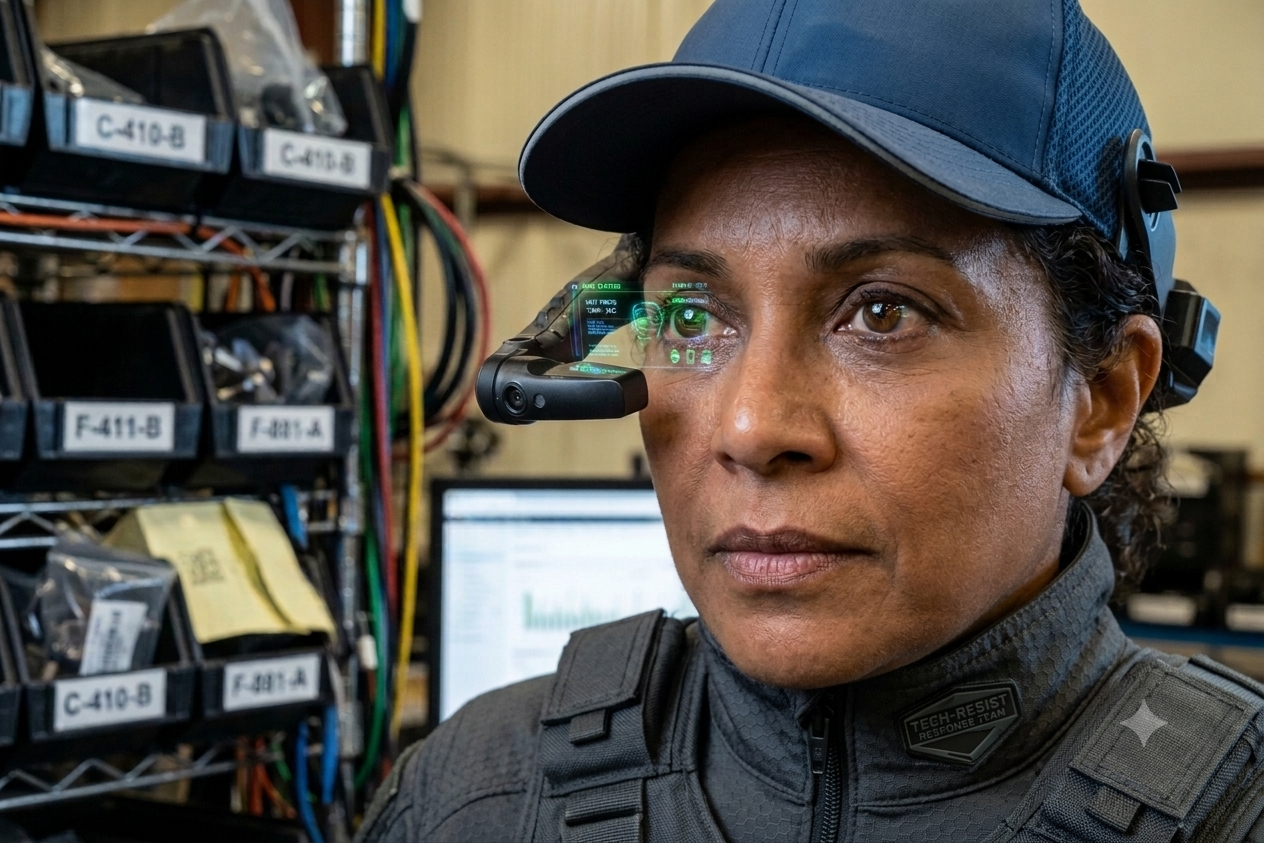
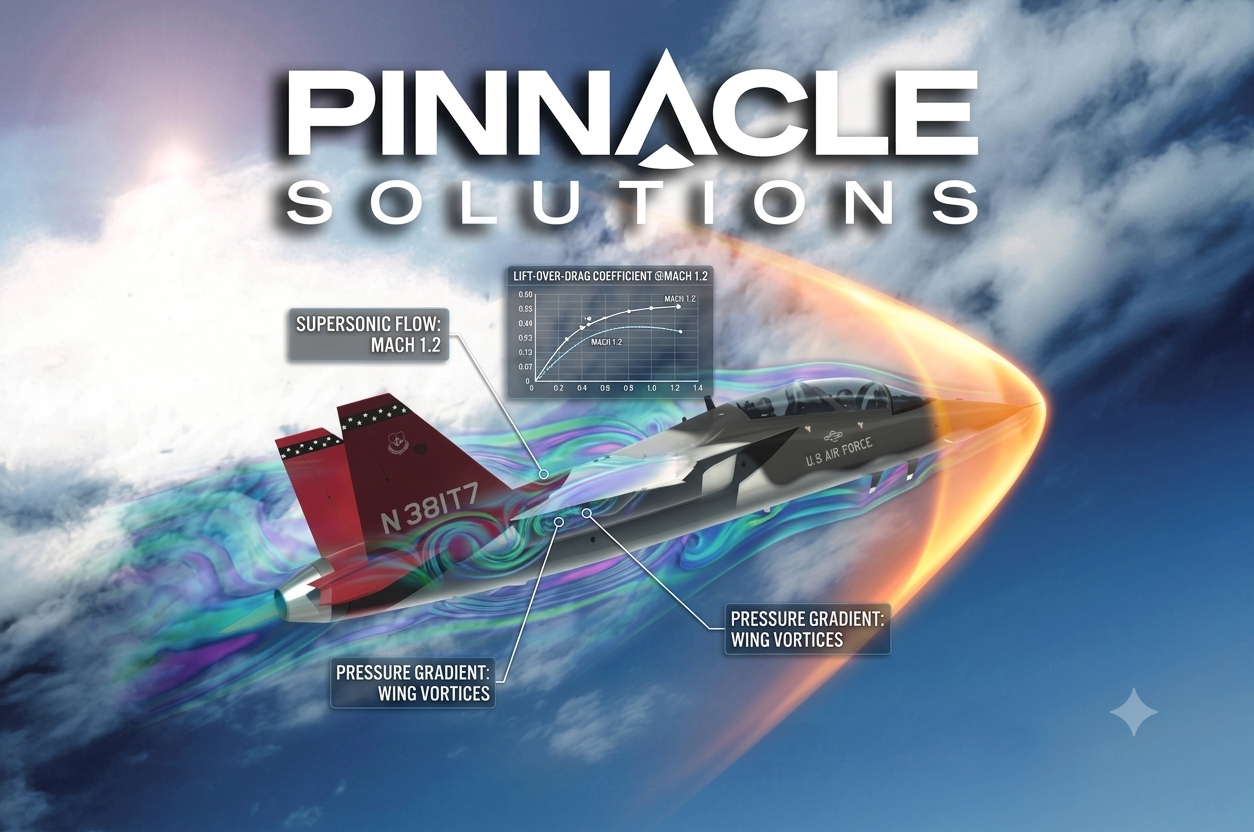
Teaching someone to maintain a brand-new aircraft is a strange logistical puzzle: you need trained mechanics ready roughly around the time the plane itself becomes operational, but you can't exactly hand a trainee a live jet engine to practice on from day one. Pinnacle Solutions, a subsidiary of federal contractor Akima, has just landed a $369 million contract with the U.S. Air Force to solve exactly that problem for the incoming T-7A Red Hawk, the aircraft set to replace the aging T-38C Talon fleet, and it's doing so almost entirely through virtual and augmented reality training rather than physical hardware.
The award comes through the Air Force's Training Systems Acquisition IV program, and it covers the full design, development, and delivery of what's being called the T-7A Maintenance Training System, running over a 7.5-year period assuming all contract options get exercised. Pinnacle will serve as the prime contractor on the project, building the system around its existing VXT Core training framework, a platform the company already uses across its Virtual X Training product line to combine high-fidelity digital models of aircraft and weapon systems with VR and AR interfaces and haptic feedback hardware, letting trainees interact with a virtual aircraft in a way that's meant to feel physically convincing rather than like a video game.
What actually gets built here is a fairly wide-reaching training ecosystem rather than a single piece of software. Pinnacle's scope includes advanced training devices, smart classrooms, interactive multimedia instruction, and the sustainment engineering and logistics support needed to keep all of it running over the life of the contract, not just to deliver it once and walk away. To pull that off on schedule, Pinnacle is bringing in several partner firms, including Aero Simulation, Inc., LSI, Inc., Textron Systems, and Janus Research Group, splitting up the work of getting a system this large built and fielded within the contract's timeline.
The rollout itself is spread across several U.S. locations rather than concentrated in one place. Development work will happen first in Huntsville, Alabama, over the initial three years of the program. From there, the finished training systems are set to be delivered to a Central Training Facility at Joint Base San Antonio-Randolph in Texas, along with four additional Unit Maintenance Training Facilities spread across Texas, Mississippi, and Oklahoma. Once those systems are deployed, Pinnacle isn't stepping away — the company is also on the hook for ongoing contractor logistics support and for operating the Training System Support Center that keeps the whole system maintained and updated after it's live.
Akima framed the win as proof of its ability to deliver large-scale training and logistics work for the Air Force, but the more telling detail is really what the contract signals about where military maintenance training is heading more broadly. Rather than treating simulation and immersive training as a supplemental tool bolted onto traditional hands-on instruction, the Air Force is putting nearly $370 million behind a program where VR, AR, and haptic feedback are the primary way maintainers learn to work on an aircraft that doesn't even have a mature fleet in the field yet. That timing matters: by building the training pipeline in parallel with the aircraft's rollout instead of waiting for physical jets to become available for hands-on instruction, the Air Force can theoretically have qualified maintenance crews ready closer to when the T-7A actually starts replacing the T-38C in day-to-day service.