
The Pentagon Wants to Control Digital Systems With Finger Twitches, Not Touchscreens
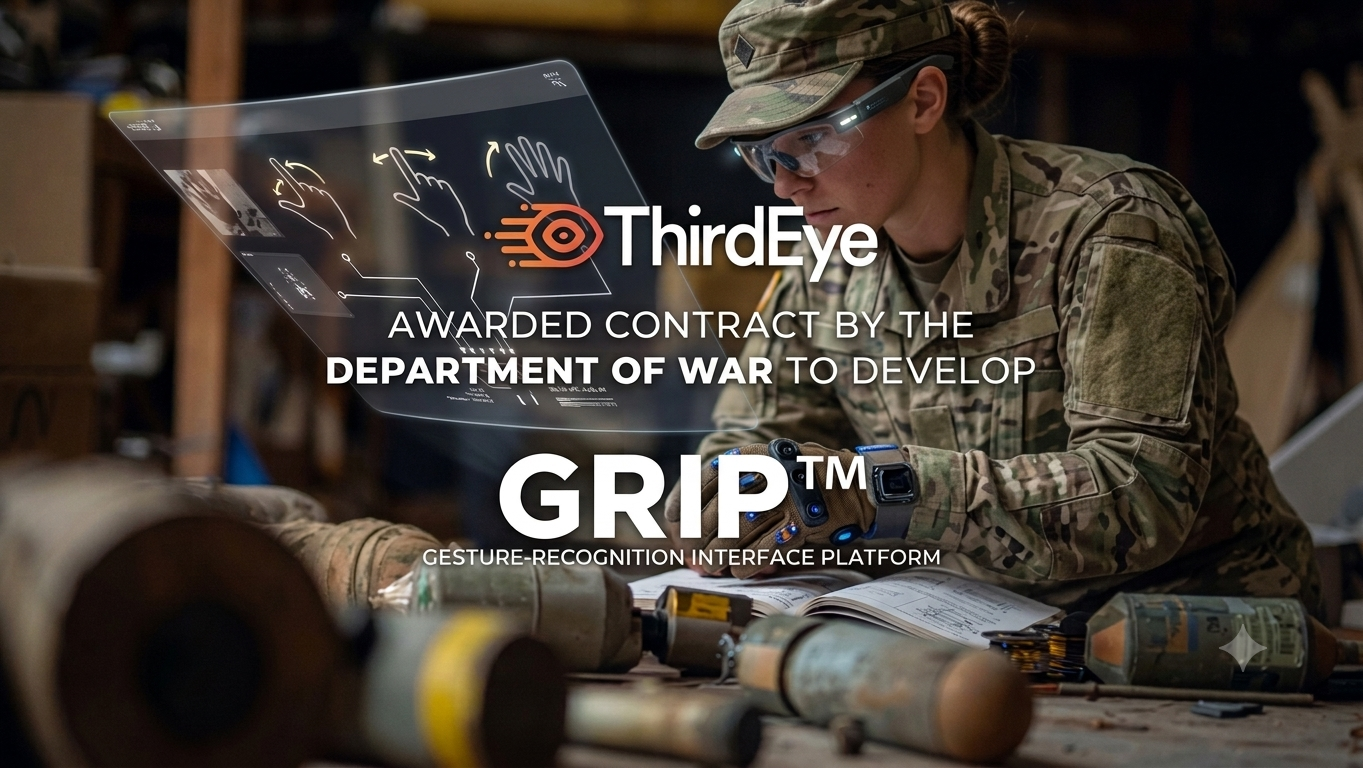
There's a fairly obvious problem with handing someone a touchscreen or a handheld controller in the middle of a high-stress, hands-busy environment: they don't have a free hand to use it, and looking down to tap a screen is exactly the kind of distraction that gets people hurt in the field. ThirdEyeGen, a company that's spent years building AR and mixed reality hardware for government and enterprise clients, has just been awarded a contract by the Department of War to tackle that problem directly, developing a system called GRIP — short for Gesture-Recognition Interface Platform — that's meant to let operators control digital systems using small hand and finger movements instead.
The pitch behind GRIP is that it strips out the usual middlemen of digital interaction entirely. No touchscreen to tap, no voice commands that could give away a position or get lost in ambient noise, no handheld controller to fumble with while carrying gear. Instead, the system reads what ThirdEyeGen calls microgestures — small, deliberate movements — and translates them into real-time input for whatever digital application the operator is working with. The company says the entire point is letting someone keep their head up, their hands where they need them, and their attention on their surroundings, rather than diverting focus downward to manage a device.
One detail that stands out in how ThirdEyeGen has designed this is the decision to build GRIP as a standard Human Interface Device, the same broad category of hardware that covers something as ordinary as a keyboard or mouse. That might sound like a minor technical choice, but it actually matters a lot for how easily the system can be adopted. Because it behaves like a generic HID rather than a proprietary gadget requiring custom software, GRIP is designed to work with existing systems immediately, without engineers needing to build special integrations or rewrite software to accommodate it. In practice, that's meant to lower the barrier for different military units, or eventually different companies, to start using it without a lengthy, expensive integration process first.
Under the new contract, ThirdEyeGen's job is to take GRIP from where it currently stands as a prototype and push it into a field-ready system that can actually hold up to real operational demands rather than controlled testing conditions. The use case the company keeps coming back to is environments where normal input methods break down — situations involving poor visibility, restricted mobility, or communication limits that make voice commands impractical, whether that's due to noise, the need for stealth, or simply having both hands occupied with other equipment. ThirdEyeGen's argument is that letting operators interact with digital systems continuously, without breaking away from their primary task to fumble with a device, translates directly into both efficiency and safety gains in those kinds of high-pressure conditions.
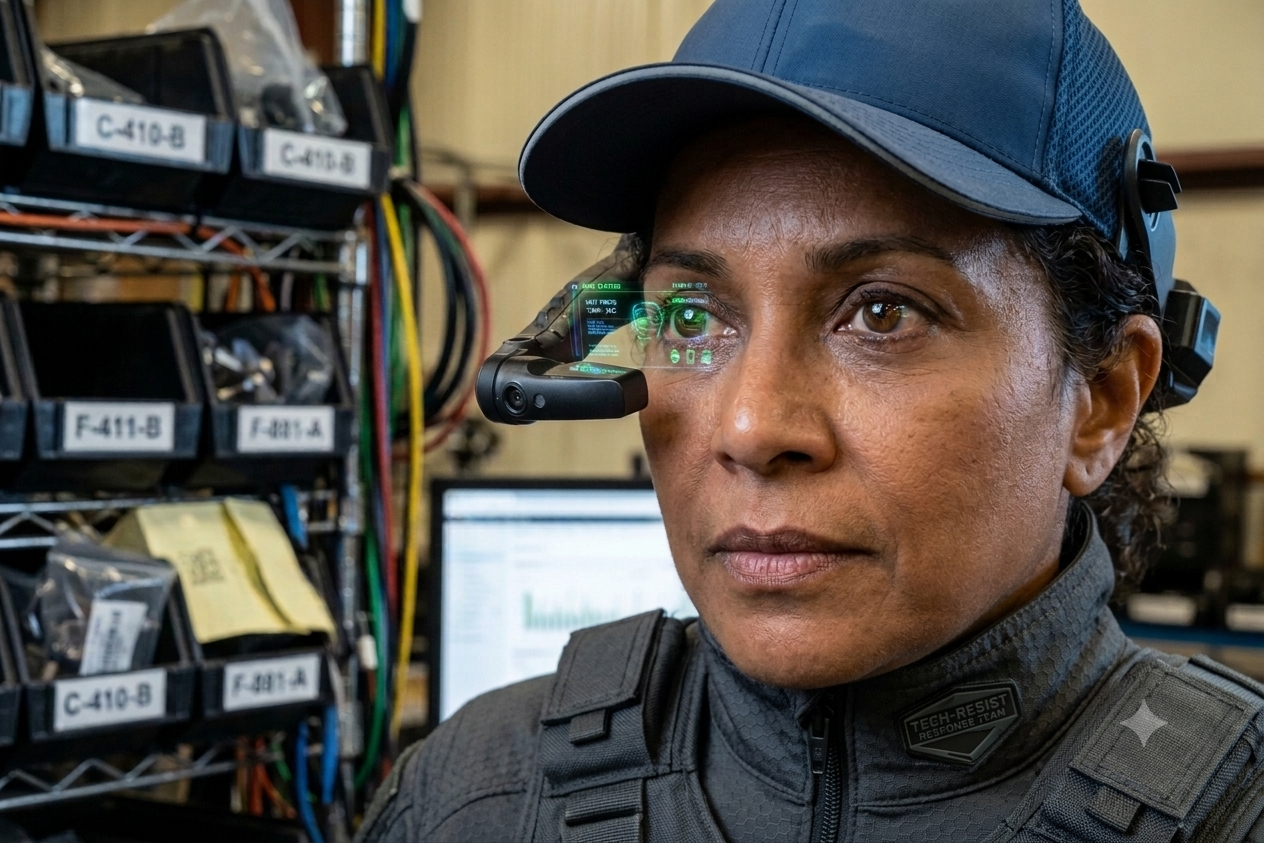
ThirdEyeGen CEO Nick Cherukuri framed the contract award as confirmation that the company had identified a real gap in how people interact with digital systems in demanding environments, describing GRIP as a step toward interfaces that are always available without requiring dedicated attention to operate. He also made clear that defense is really just the starting point rather than the end goal. According to the company, GRIP is being built as a dual-use platform from the outset, meaning the same underlying technology developed for military use is intended to carry over into commercial settings like manufacturing floors, logistics and warehouse operations, healthcare settings where clinicians need to stay sterile and hands-free, and emergency response scenarios where first responders face many of the same hands-busy, high-stakes conditions as soldiers do. The company's stated plan is to prove the system out within defense programs first, then use that as a springboard into broader enterprise and industrial markets once the technology has been field-tested under some of the toughest conditions it's likely to encounter.